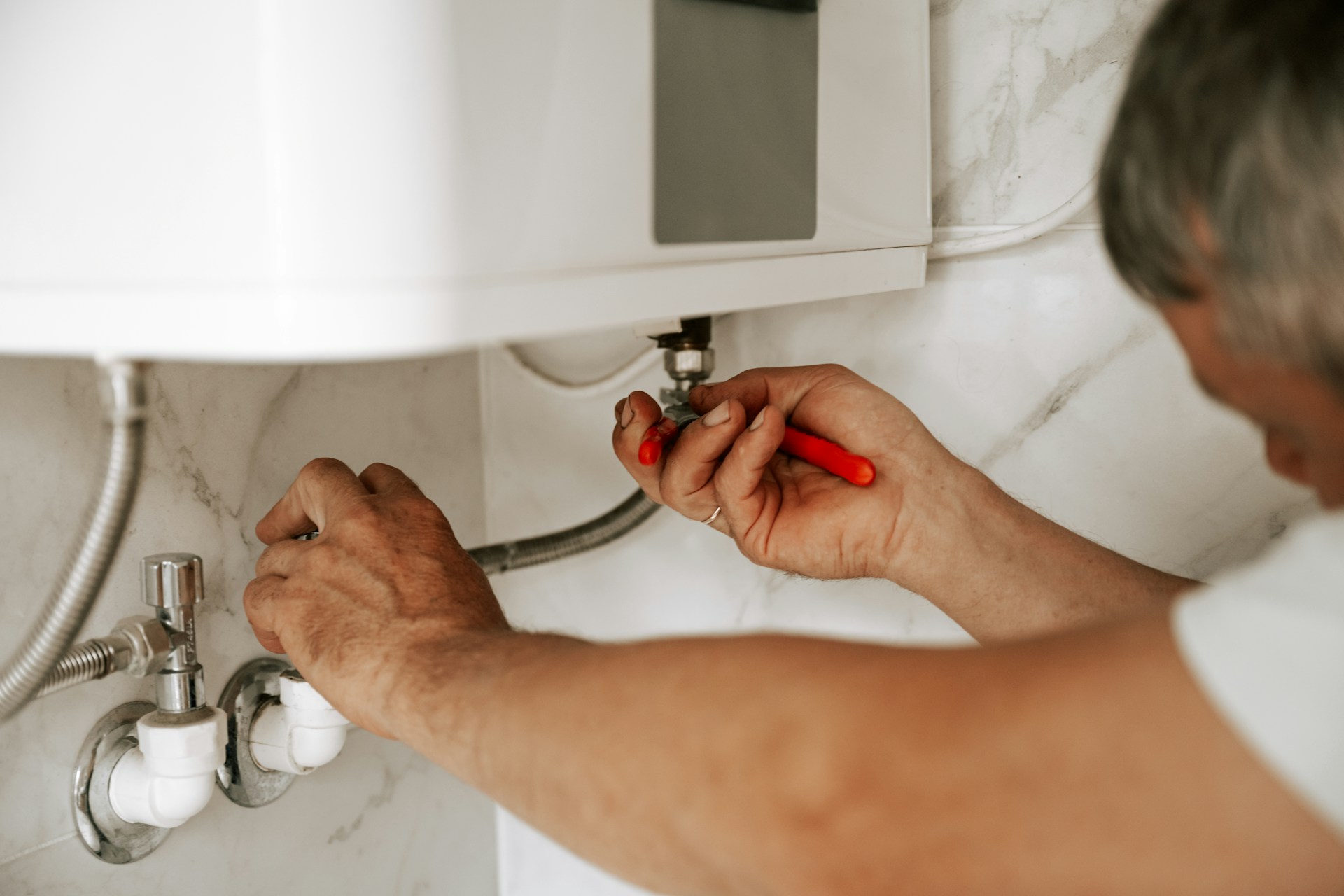
If your water heater is taking too long to reheat, the tank may have been emptied by heavy use, or a heating component may no longer be working correctly. Sediment buildup, thermostat problems, colder incoming water, and a water heater that is too small for the property can also slow recovery. Temp Pros Mechanical services residential and commercial hot water systems in Raritan, NJ, and surrounding areas, and a noticeable change in recovery time is worth investigating before the system stops producing enough hot water altogether.
Water heater recovery time is the amount of time the unit needs to heat the cold water that enters after hot water has been used. Every storage-tank water heater needs time to recover. The real concern is whether yours is taking much longer than it used to or repeatedly failing to keep up with your normal routine.
How Long Should a Water Heater Take to Reheat?
There isn’t one recovery time that applies to every water heater. It depends on the tank size, fuel type, heating capacity, thermostat setting, incoming water temperature, and how much hot water was used.
Gas storage water heaters often recover faster than conventional electric models because a gas burner can generally heat water at a faster rate. Electric tank water heaters usually rely on one or two heating elements. If one of those elements fails, the unit may continue producing some hot water while taking much longer to recover.
The tank’s capacity also matters, but it doesn’t tell the whole story. A water heater’s first-hour rating estimates how much hot water it can supply during a busy hour that begins with a fully heated tank. The U.S. Department of Energy recommends considering both household demand and first-hour rating when sizing a storage water heater.
Instead of focusing on an exact number of minutes, compare the system’s current performance with what has been normal for your home or business. If it previously recovered between showers but now leaves the next person with lukewarm water, something has changed.
Why Your Water Heater Is Taking Too Long to Reheat
Several problems can slow down a water heater. Some are temporary and related to demand. Others involve the tank, controls, burner, or electric heating elements.
The Tank Was Drained by Heavy Hot Water Use
A storage water heater holds a limited amount of heated water. Back-to-back showers, laundry, dishwashing, and cleaning can use that supply faster than the unit can replace it.
This often happens when guests are staying in the home or several hot-water appliances run close together. The water heater may be operating normally but facing more demand than usual.
Try spacing out showers and appliance use. If the hot water returns after the system has time to recover, the issue may simply be temporary overuse. If ordinary daily use now empties the tank, the system may have lost heating capacity or no longer match the property’s needs.
An Electric Heating Element Has Failed
Many electric tank water heaters use an upper and lower heating element. The elements heat different sections of the tank and usually operate in sequence.
If one element fails, the water heater may still produce hot water. It simply produces less of it or reheats the tank much more slowly. This makes a failed element less obvious than a complete loss of power.
You may notice that hot water runs out earlier, takes longer to return, or never becomes as hot as it once did. Testing the elements requires access to electrical components, so this should be handled by someone with the proper training and tools.
Sediment Has Built Up in the Tank
Minerals carried by the water can settle at the bottom of a storage tank. Over time, that sediment layer may interfere with heat transfer and reduce the amount of usable water the tank can hold.
In a gas water heater, sediment can create a barrier between the burner and the water. The burner then has to operate longer to produce the same result. In an electric unit, mineral deposits around the lower heating element can also reduce performance.
Popping, rumbling, or crackling sounds from the tank sometimes accompany sediment buildup. Those noises can occur as water trapped beneath the sediment heats and moves through the deposits.
Flushing may remove some sediment, but it isn’t always wise to drain an older or neglected tank without first checking its condition. Aging valves and corroded components may not reseal properly after being disturbed.
The Thermostat Setting Was Changed
A lower thermostat setting means the tank stores cooler water. Because that water isn’t as hot, more of it must be used to reach a comfortable temperature at the faucet or shower. The available supply then seems to run out faster.
Check whether the water heater was recently adjusted, placed in vacation mode, or reset after a power interruption. Some modern systems also have energy-saving modes that prioritize lower energy use over fast recovery.
Avoid raising the temperature excessively. Setting the water heater hotter increases the risk of scalding and won’t correct a failed thermostat, heating element, or other mechanical problem.
The Thermostat Isn’t Working Properly
A thermostat controls when the burner or heating elements turn on and off. If it isn’t reading the temperature correctly, it may activate the heat too late or shut it off before the tank is fully reheated.
The result may be inconsistent water temperatures, slow recovery, or water that becomes warm but never fully hot. A professional inspection can determine whether the issue is the thermostat itself or another component preventing the heater from responding correctly.
The Gas Burner or Ignition System Has a Problem
A gas water heater depends on a steady burner flame to recover at its expected rate. A dirty burner, ignition failure, gas control problem, or restricted fuel supply can reduce the amount of heat reaching the tank.
You might notice delayed ignition, repeated attempts to start, or a burner that doesn’t remain on. Gas controls and combustion components should not be taken apart as a do-it-yourself troubleshooting step.
If you smell gas, leave the area and contact the gas utility or emergency services from a safe location. Don’t operate switches, appliances, or anything that might create a spark.
Colder Incoming Water Is Slowing Recovery
Water entering the tank is colder during a New Jersey winter than it is during warmer months. The water heater must produce a greater temperature increase before that water is ready to use.
A modest seasonal difference can be normal. It becomes more noticeable if the water heater is already close to the limit of the household’s demand.
Cold incoming water also affects tankless systems. A tankless water heater can supply only a certain flow rate at a given temperature rise. During colder weather, the unit may need to reduce the flow to maintain the requested water temperature.
A Heat Pump Water Heater Is in an Efficiency Mode
Heat pump water heaters move heat from the surrounding air into the water. This uses less electricity than standard resistance heating, but it can take longer to reheat the tank.
Many heat pump models include efficiency, hybrid, high-demand, and vacation modes. An efficiency-focused setting may be appropriate for normal use but too slow after several showers or another large draw.
Check the control panel and the manufacturer’s instructions before changing modes. If the water heater has become slower without a setting change, a sensor, backup heating element, or another component may need service.
The Water Heater Is Too Small for Current Demand
A water heater that once met the property’s needs may struggle after the household or building changes. More occupants, an added bathroom, a larger bathtub, or new appliances can increase hot water demand.
The same issue can affect commercial properties when staffing, operating hours, or customer volume increases.
Replacing the unit with a larger tank isn’t automatically the best answer. Tank size, recovery rate, first-hour rating, available fuel, installation space, and usage patterns should all be considered before selecting new equipment.
The Water Heater Is Aging
Older water heaters are more likely to develop worn heating elements, unreliable controls, burner problems, and substantial sediment buildup. These issues can gradually increase recovery time before causing a complete loss of hot water.
An older unit doesn’t necessarily need to be replaced because it reheats slowly. A failed element or thermostat may still be repairable. Replacement becomes a more practical discussion when the tank is leaking, corrosion is visible, repairs are becoming frequent, or the unit no longer meets normal demand.
What You Can Check Before Scheduling Service
First, confirm that the problem affects the entire property. If hot water is slow to arrive at only one distant faucet, cooled water may simply be sitting in the pipe between the fixture and the heater. That is a delivery-time issue rather than slow water heater recovery.
Think about how much hot water was used before the problem started. Give the water heater time to recover without running the dishwasher, washing machine, or another shower. If normal hot water returns, the tank may have been temporarily depleted.
You can also check the visible thermostat setting, control panel, operating mode, and any displayed error code. Don’t remove electrical covers, disconnect wiring, or take apart gas controls.
Look around the water heater for moisture, corrosion, or active leaking. Water collecting around the tank needs prompt attention, especially if the source appears to be the tank itself rather than a nearby pipe connection.
When Slow Water Heater Recovery Needs Professional Attention
Schedule service if your water heater’s recovery time has noticeably increased, the water never becomes fully hot, or normal use repeatedly drains the supply.
Other warning signs include:
- Rumbling or popping from the tank
- Inconsistent water temperatures
- Discolored hot water
- Error codes on the control panel
- Moisture or corrosion around the unit
- A burner that won’t ignite or remain on
- Frequent resets or tripped breakers
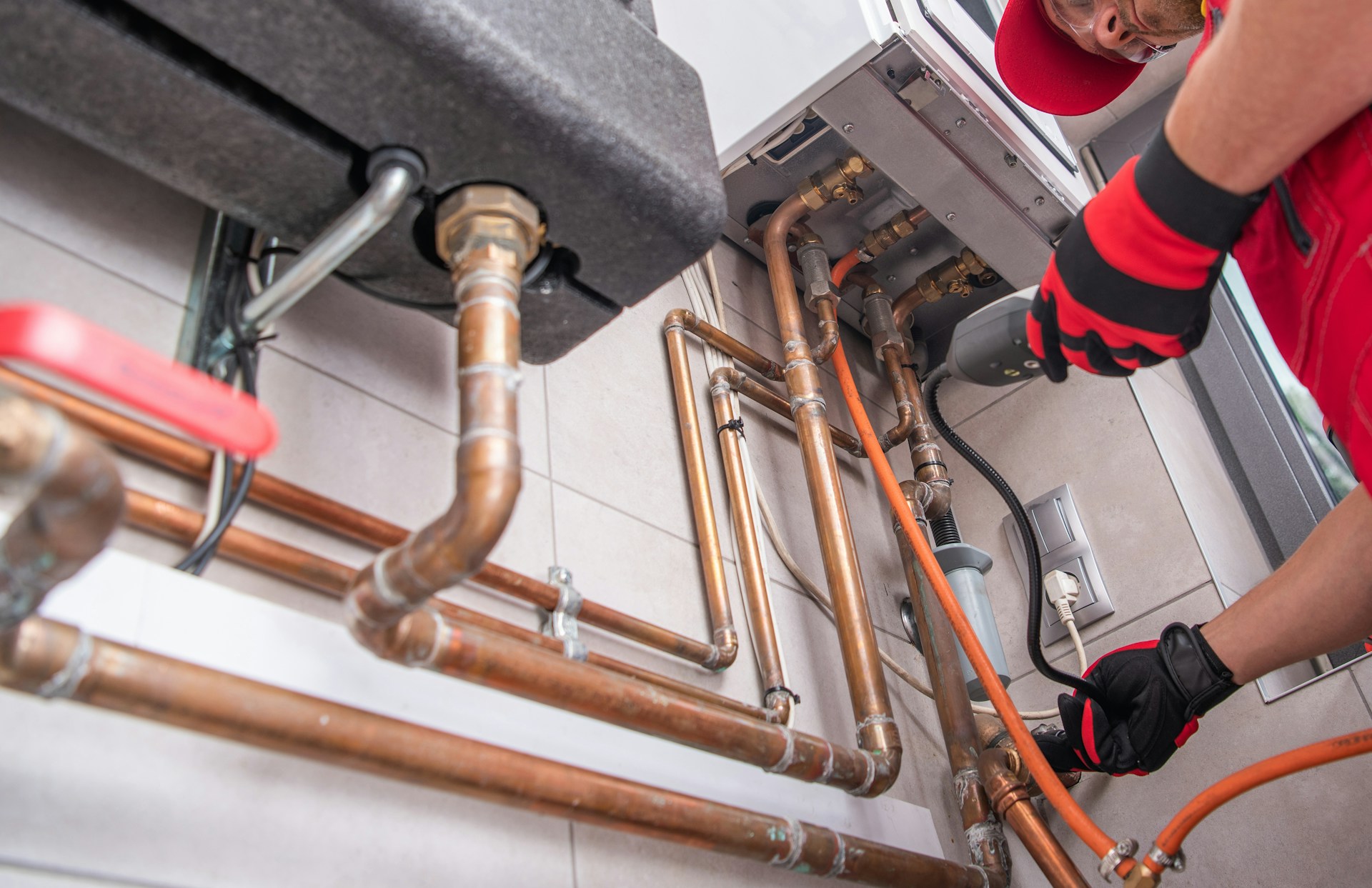
Temp Pros Mechanical provides hot water system installation, maintenance, and repair for residential and commercial clients. A technician can check the system’s heating components, controls, burner operation, tank condition, and capacity to determine why recovery has slowed.
The answer isn’t always replacement. A worn element, faulty thermostat, incorrect operating mode, or maintenance issue may be repairable. The right next step depends on the source of the slowdown and the overall condition of the system.
If your water heater is taking longer than usual to produce enough hot water, contact Temp Pros Mechanical to schedule an inspection in Raritan or a surrounding New Jersey community. Addressing the cause now may prevent a gradual performance problem from turning into a complete loss of hot water.
Leave a Reply